
Root Canal Treatment
Modern, virtually painless root canals — designed to save your natural tooth.
What is Root Canal Treatment?
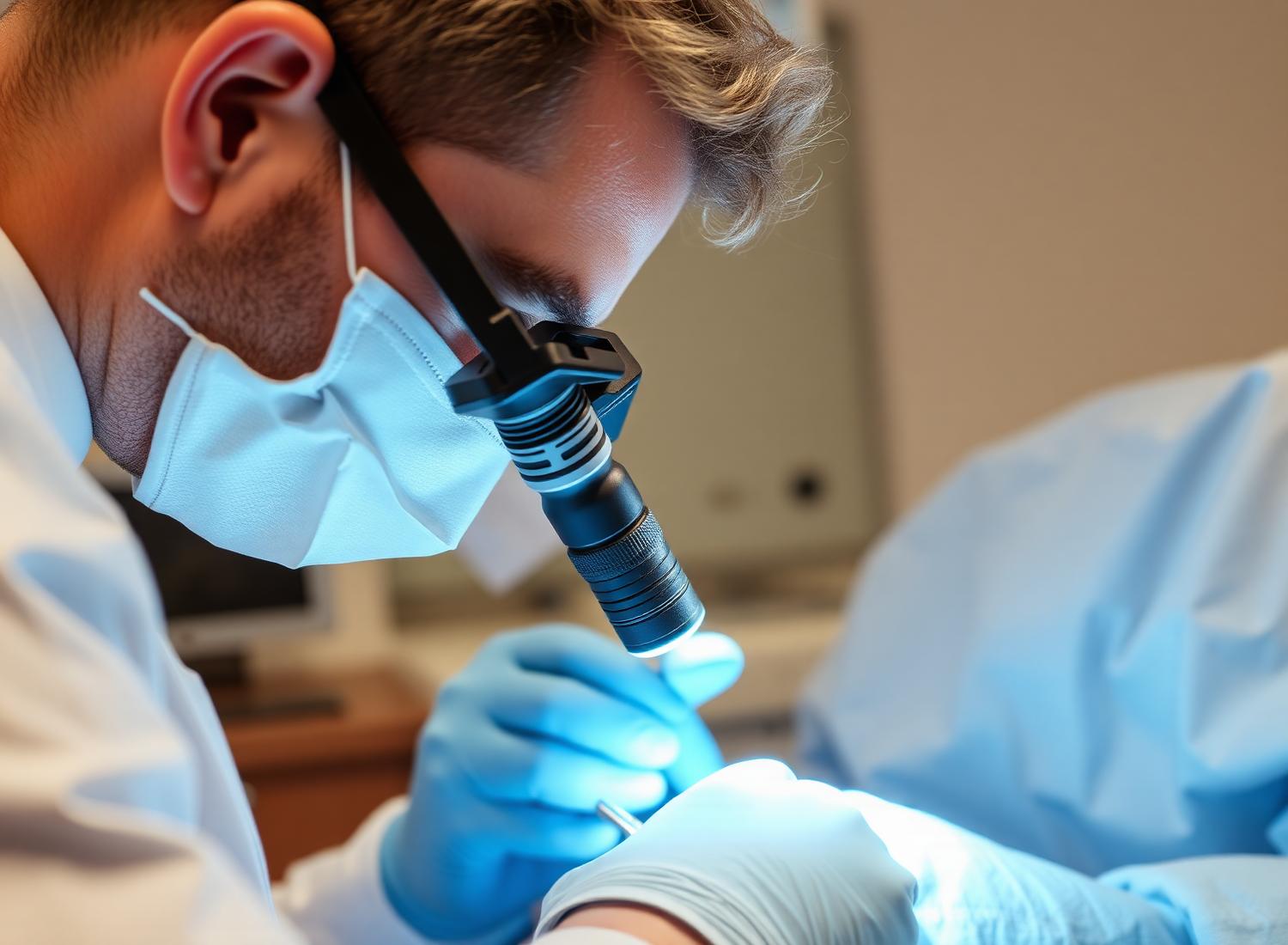
A root canal (endodontic treatment) removes infected or inflamed pulp from inside a tooth, cleans the canals, and seals them — relieving pain and saving the tooth. With modern rotary instruments and magnification, treatment is precise, fast and far more comfortable than its reputation.
A closer look at your smile journey


Signs you may need root canal treatment
- Severe, lingering toothache
- Sensitivity to hot or cold that lingers after the stimulus
- Swelling or tenderness in the gums near a tooth
- A pimple-like bump on the gum
- Tooth discolouration or a deep cavity
Benefits
Removes pain at its source
Saves your natural tooth
Often completed in a single visit
Prevents the infection from spreading
Restores normal chewing and biting
The procedure
- 1
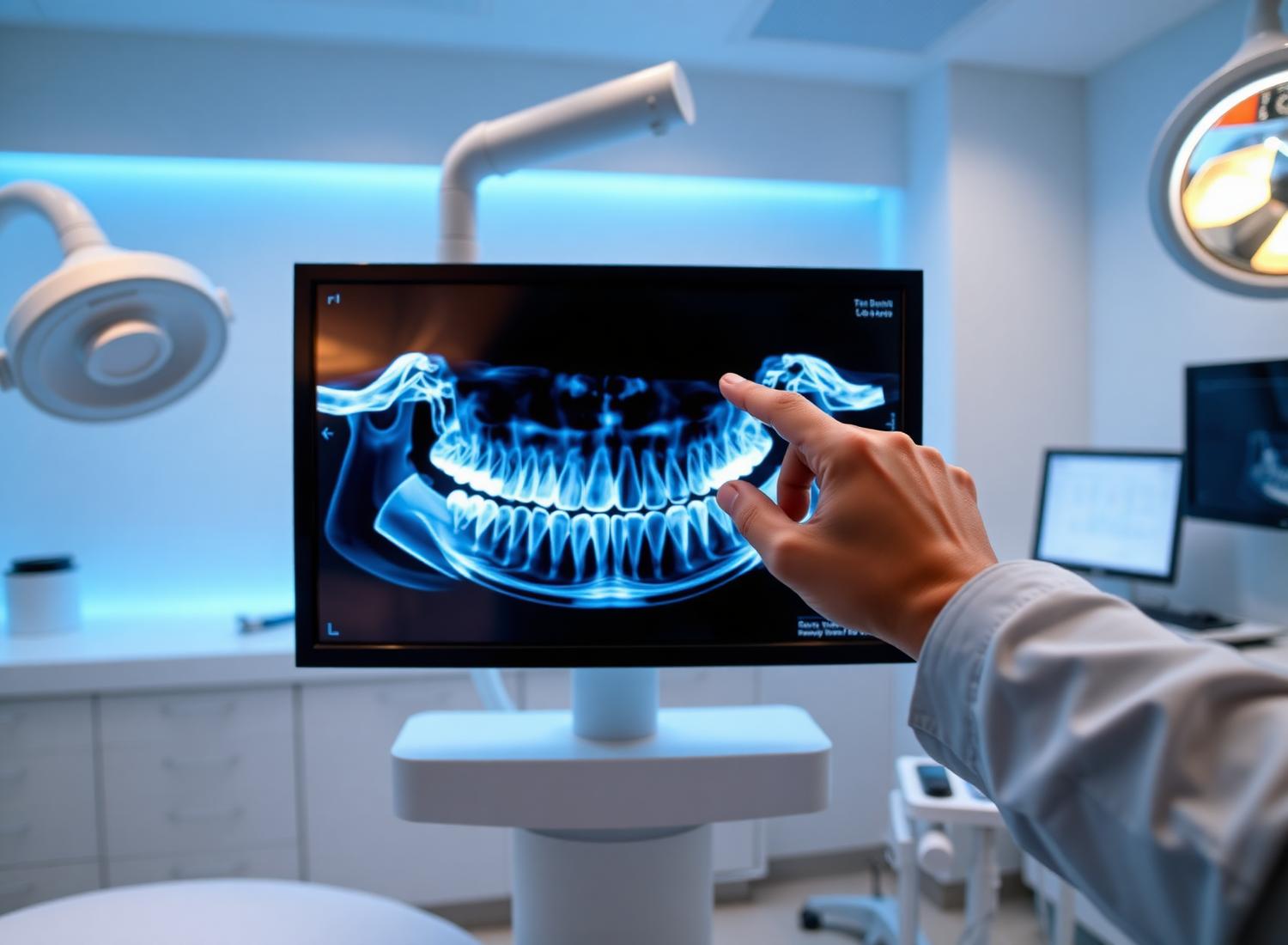
Diagnosis & X-ray
We confirm the diagnosis with a clinical exam and a digital X-ray.
- 2
Local anaesthesia
The tooth and surrounding area are numbed completely — you'll feel no pain.
- 3
Cleaning the canals
Using rotary instruments, the infected pulp is removed and the canals are gently shaped and disinfected.
- 4
Filling & sealing
Canals are filled with a biocompatible material and sealed to prevent re-infection.
- 5
Crown protection
A crown is usually placed over the tooth to protect it from future fracture.
What to expect afterwards
- Mild tenderness for 1–3 days, especially while biting — eases with prescribed medication
- Avoid chewing on the treated side until the crown is fitted
- Maintain normal brushing and flossing
- Return for the crown appointment as scheduled
- Call us immediately if pain or swelling worsens
Root Canal Treatment FAQs
Is a root canal painful?
Modern root canals are almost identical to having a filling done. The pain people associate with root canals is usually the toothache that brought them in — which the treatment relieves.
Can a root canal be done in one sitting?
Yes — most uncomplicated cases at TruSmile are completed in a single visit using rotary endodontics.
Why do I need a crown after a root canal?
A root-treated tooth becomes more brittle. A crown protects it from fracture so it can serve you for many years.
Is it better to extract instead?
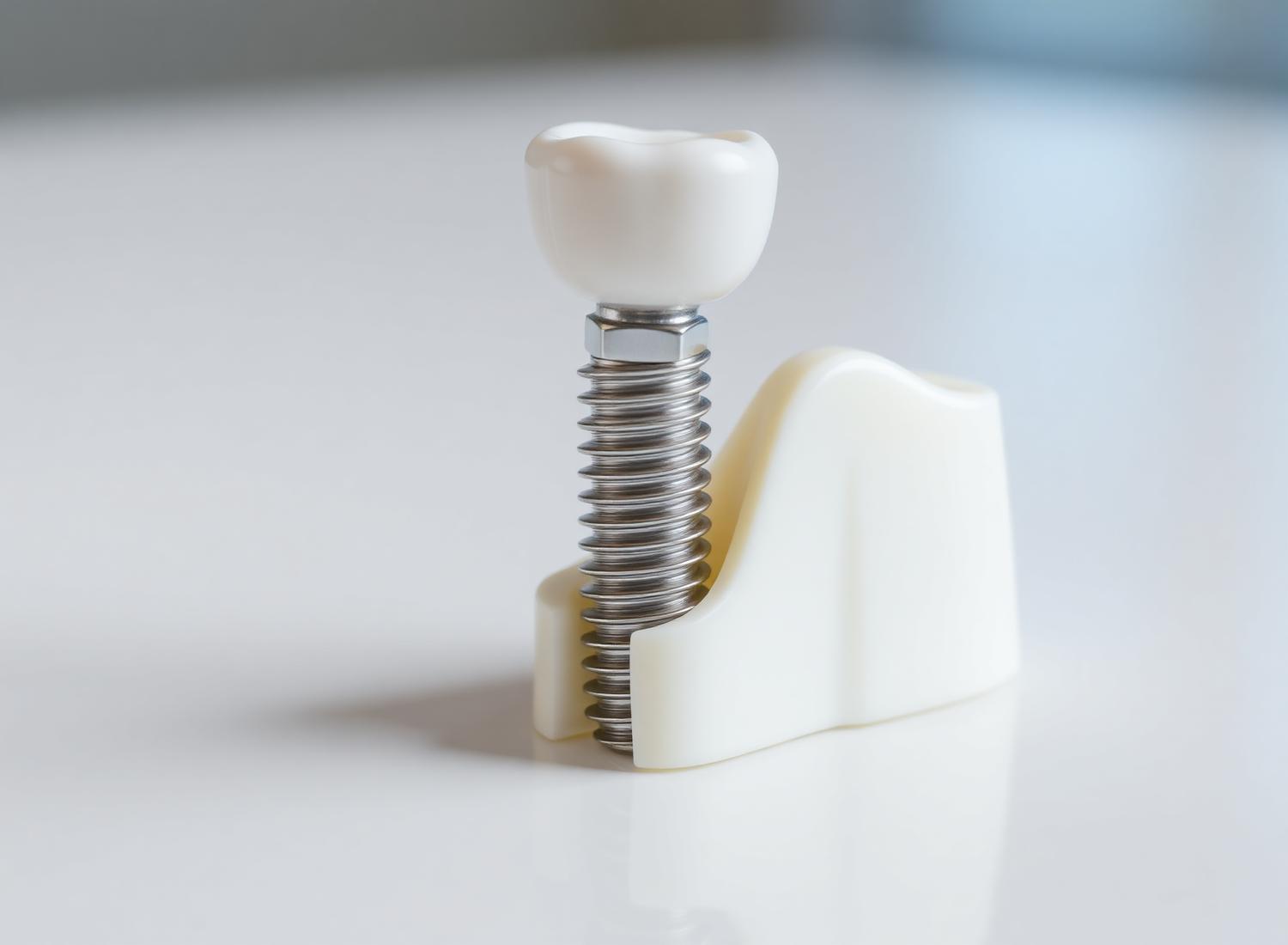
Keeping your natural tooth is almost always the better long-term choice. Implants are excellent but nothing replicates a natural tooth perfectly.
Book your root canal treatment consultation today.
A calm, honest consultation with our team in Rajajinagar — with no pressure and a clear plan.